
Design Flexibility in Manufacturing
Design Flexibility Starts with the Right Engineering Conversations
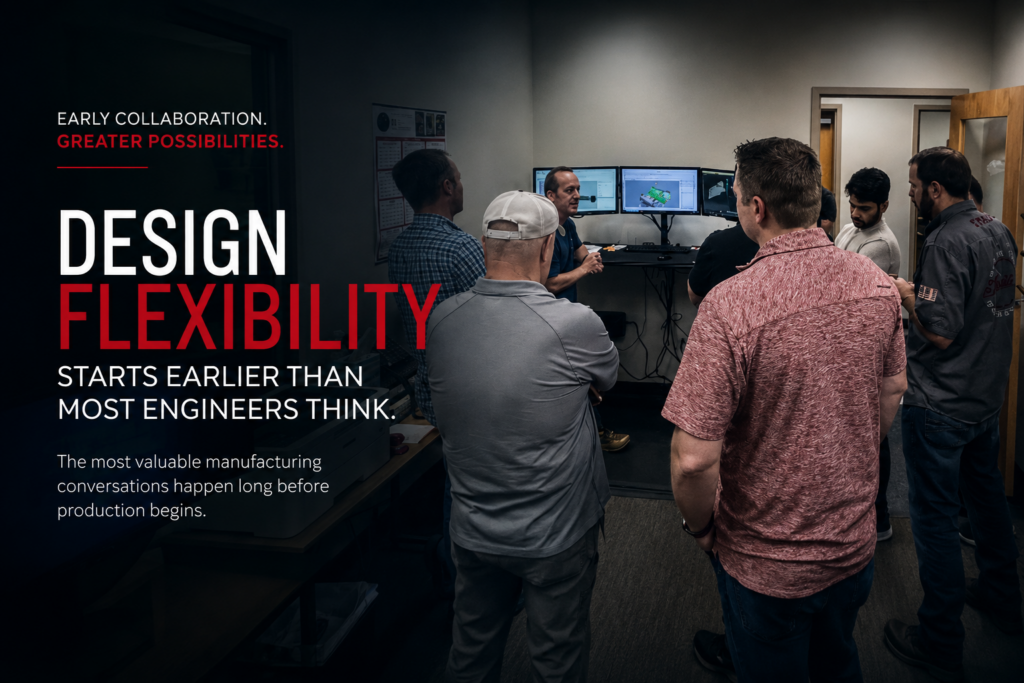
Product development has never been more demanding.
Engineering teams are tasked with balancing performance, functionality, manufacturability, aesthetics, timelines, and cost—all while bringing innovative products to market faster than ever before.
In this environment, design flexibility becomes a significant advantage.
Not because engineers need more options, but because understanding the full range of available technologies and manufacturing capabilities often creates opportunities that may not have been considered during initial product development.
That is where early collaboration can provide tremendous value.
Expanding What’s Possible
Many product features are influenced by decisions made long before production begins.
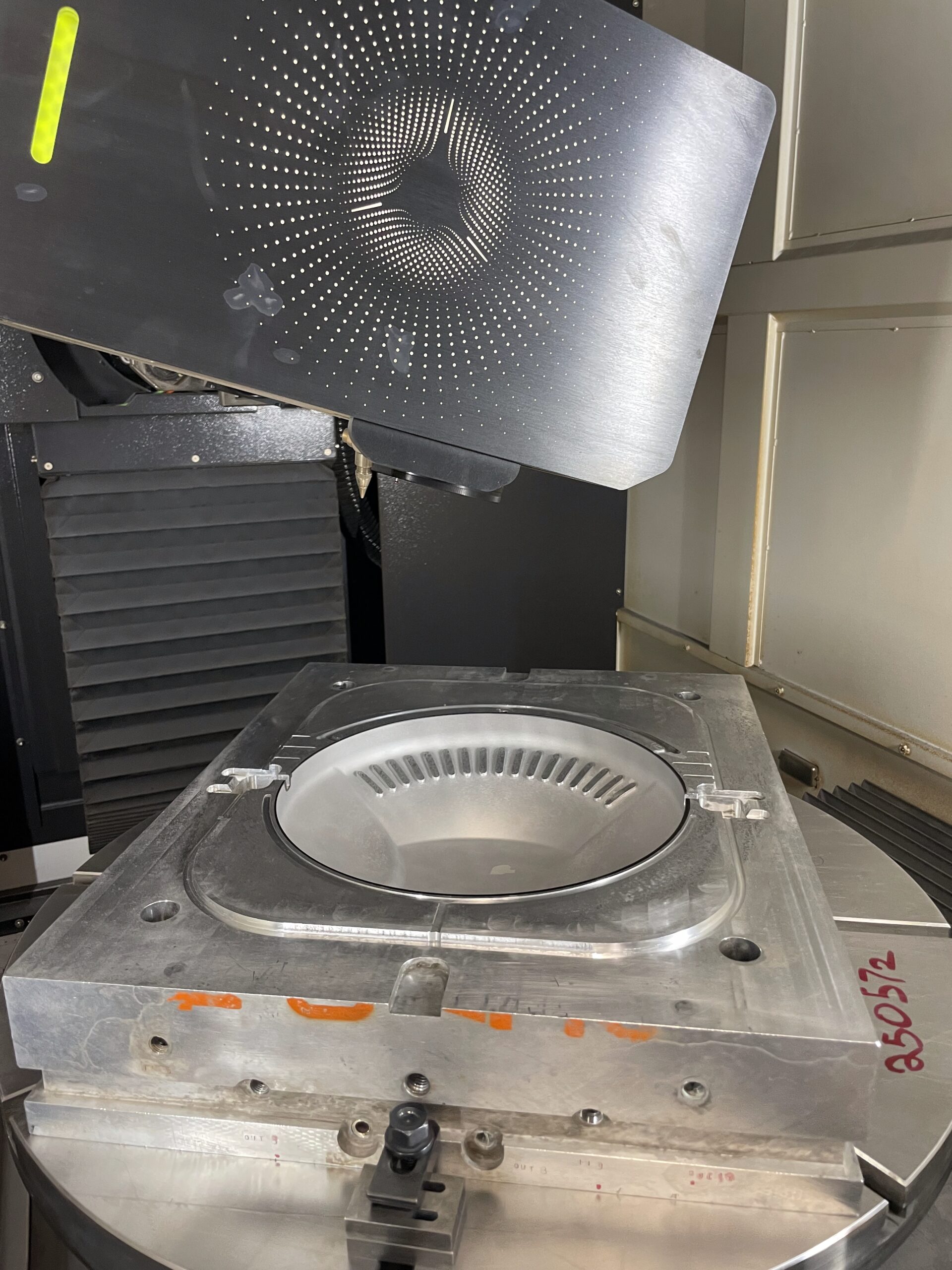
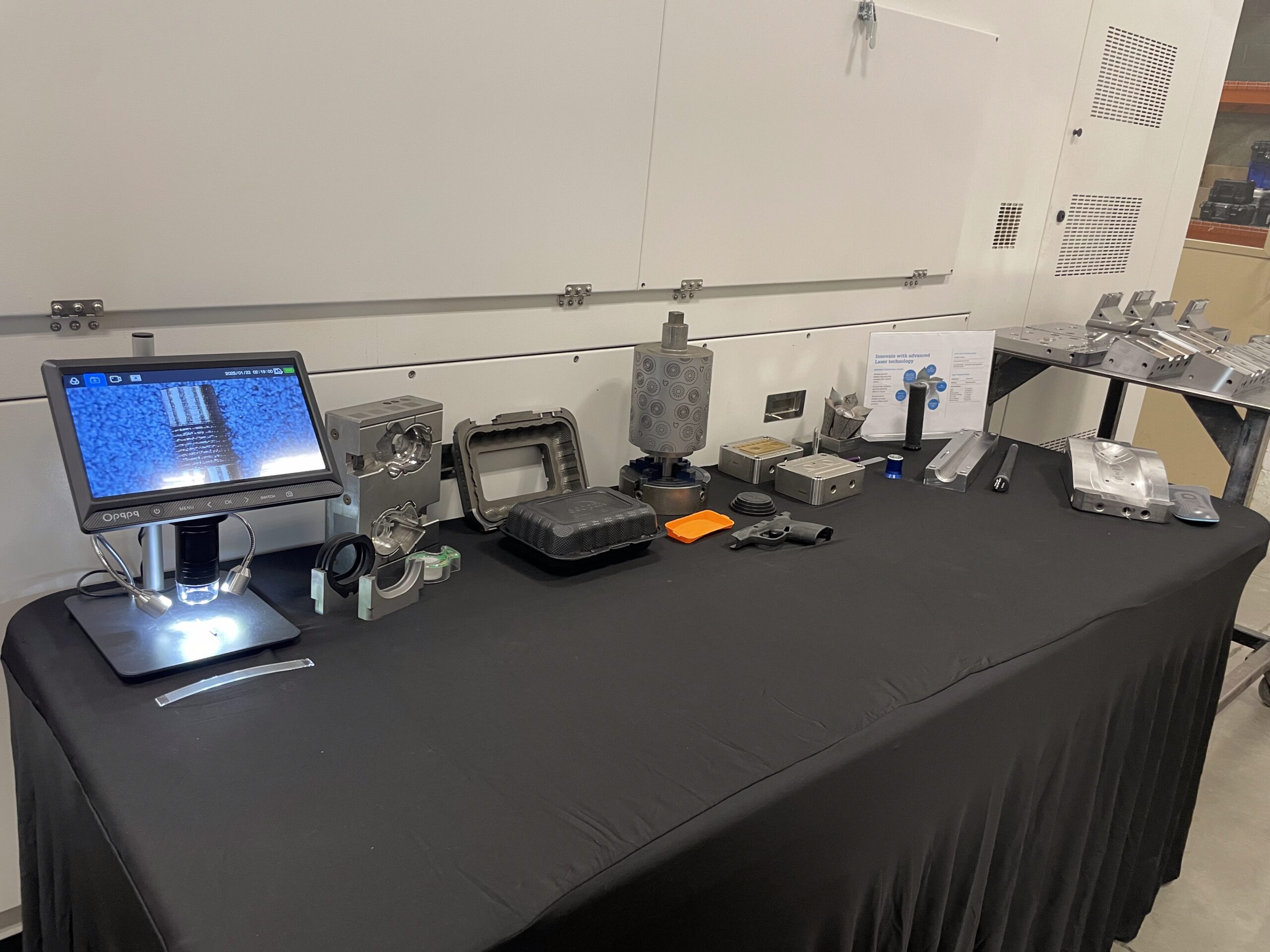
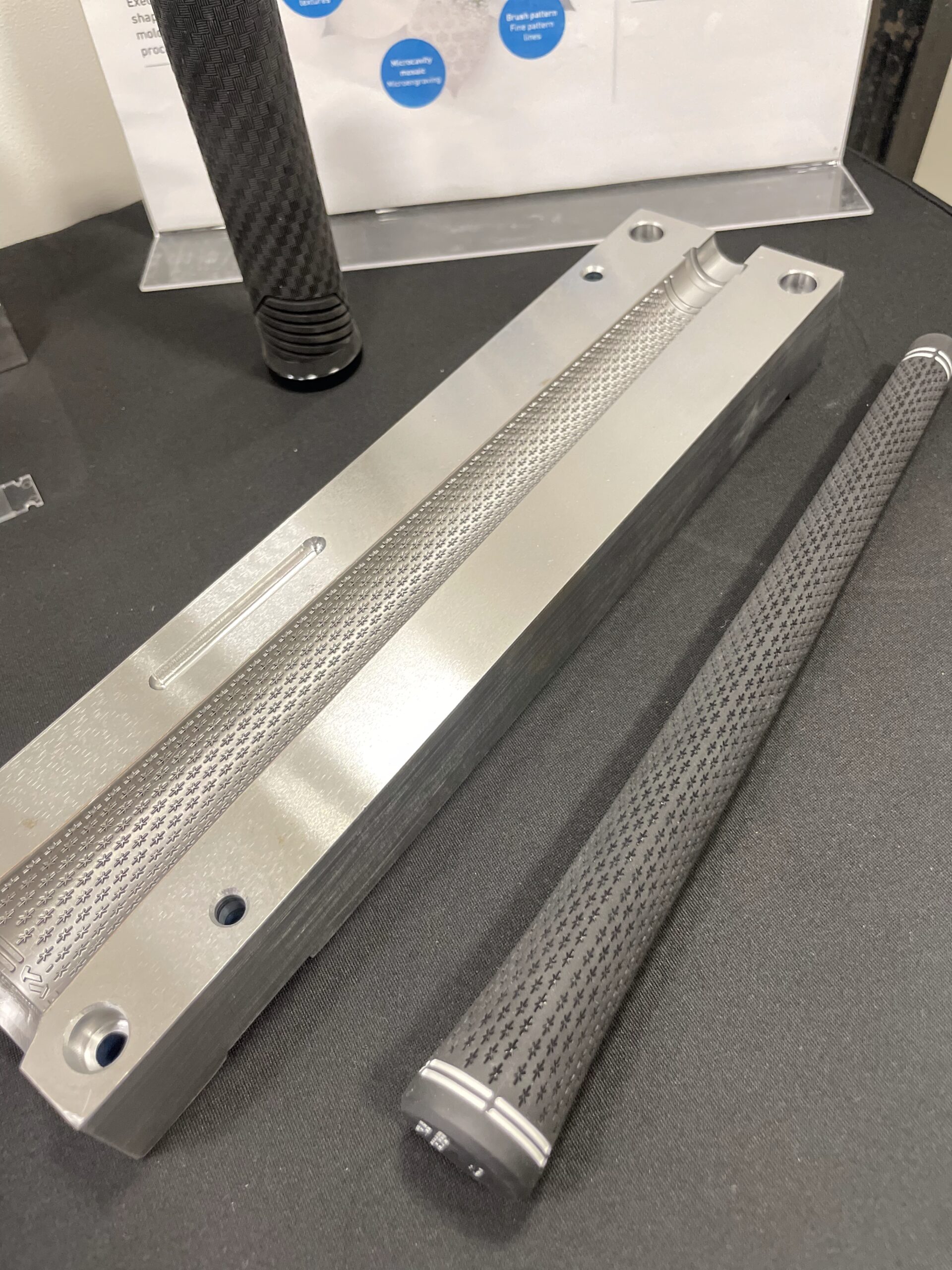
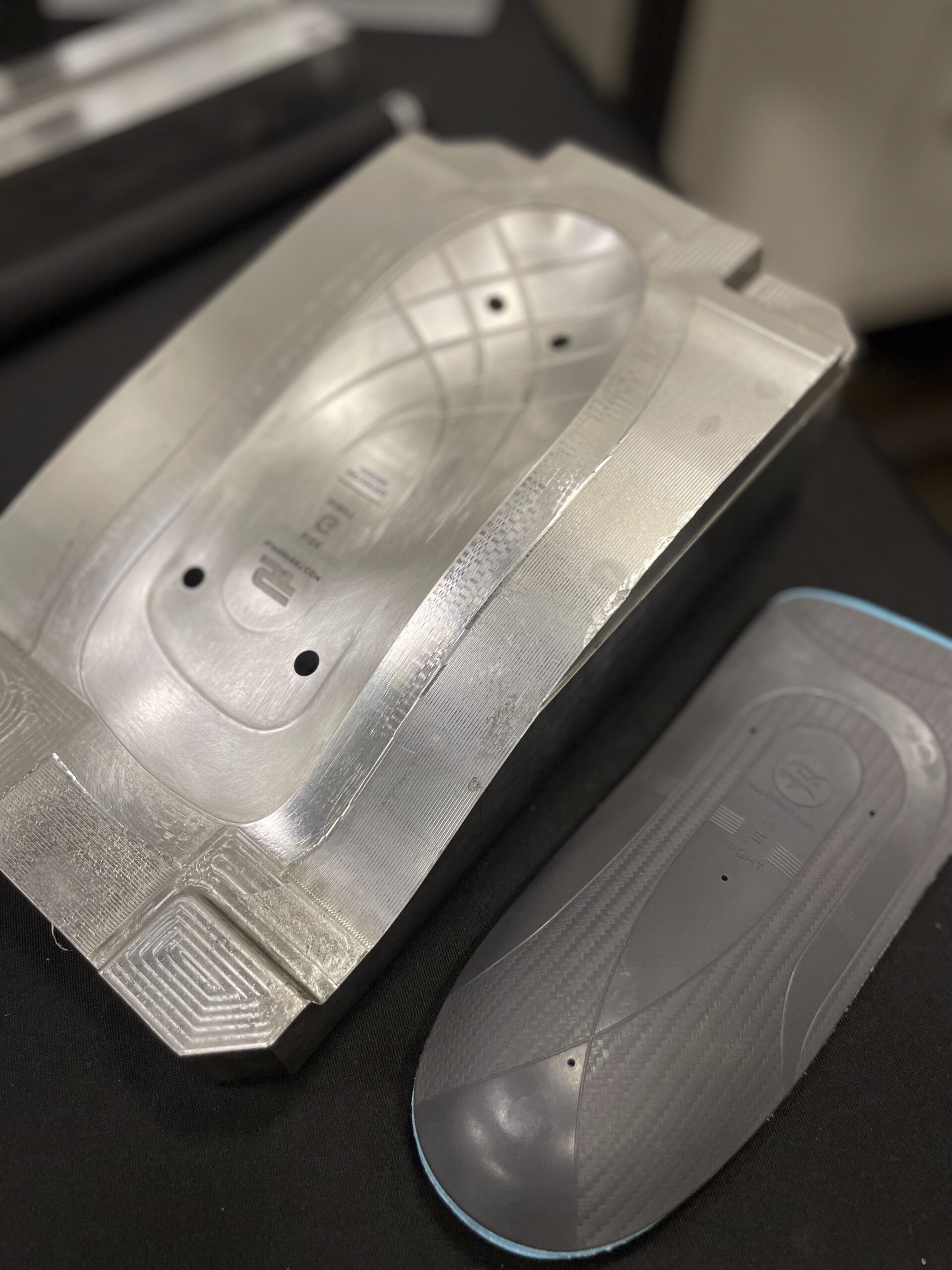
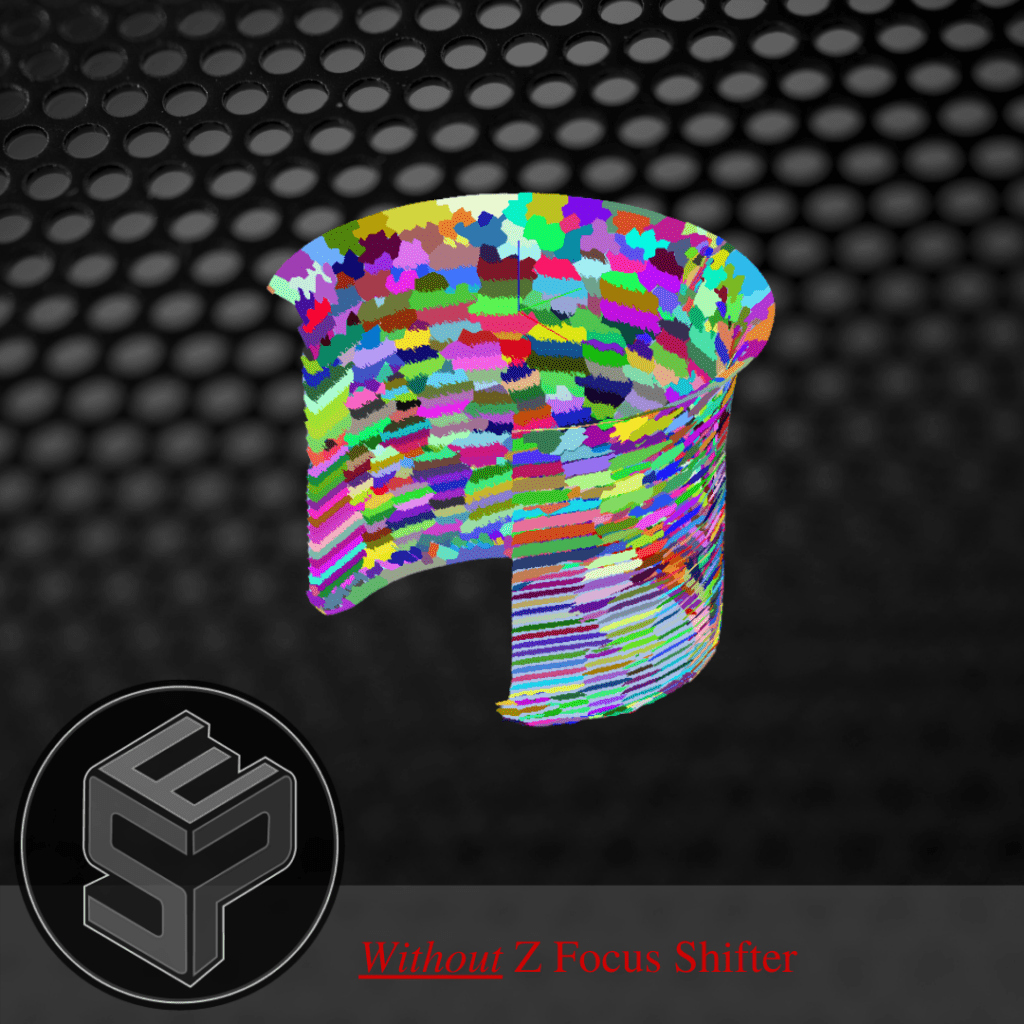
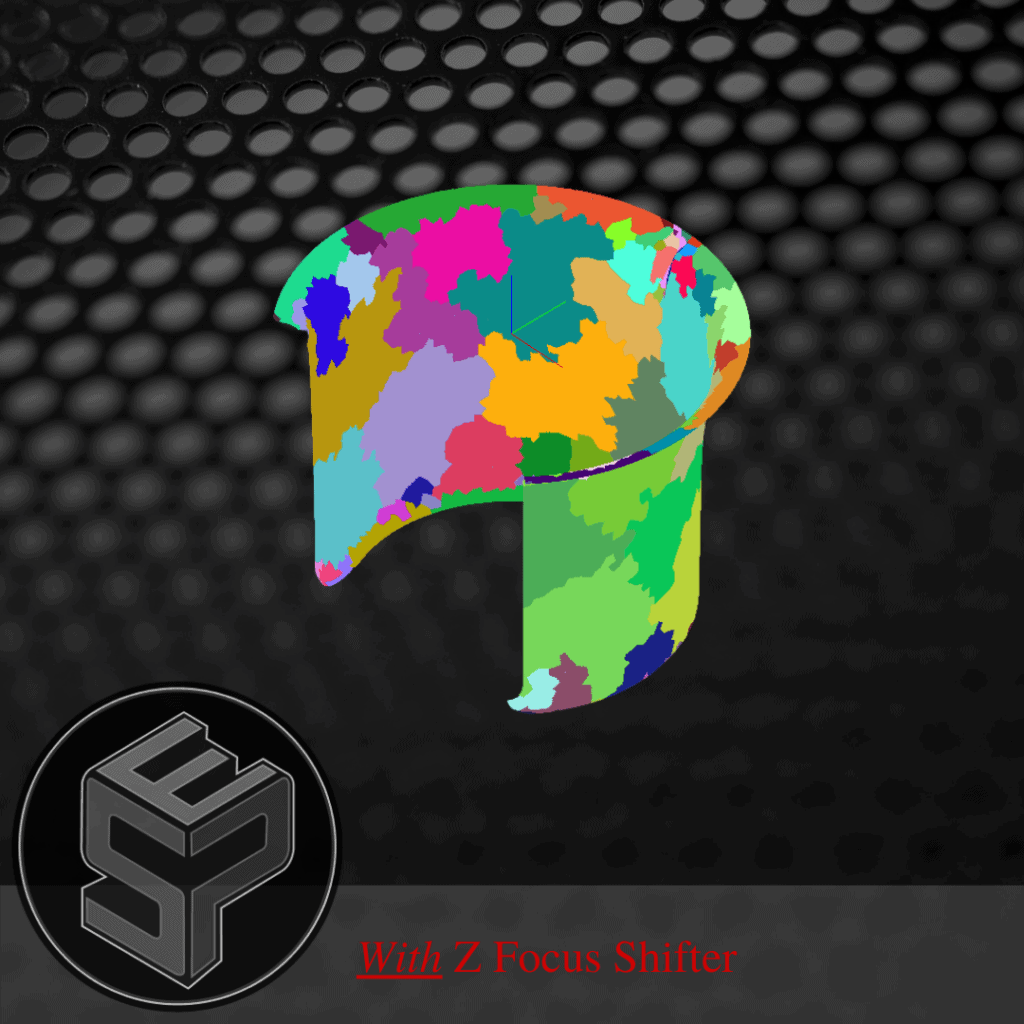
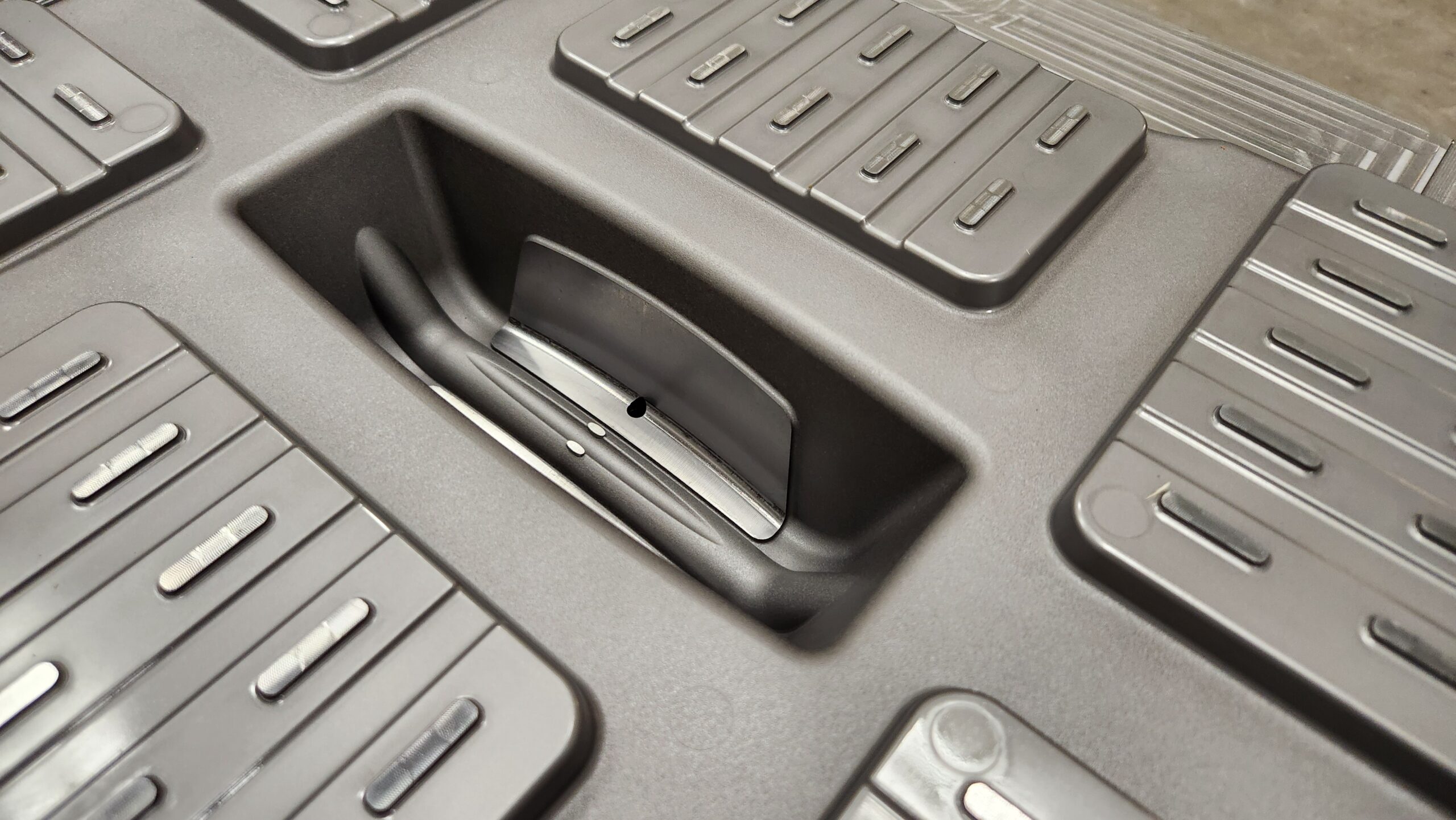
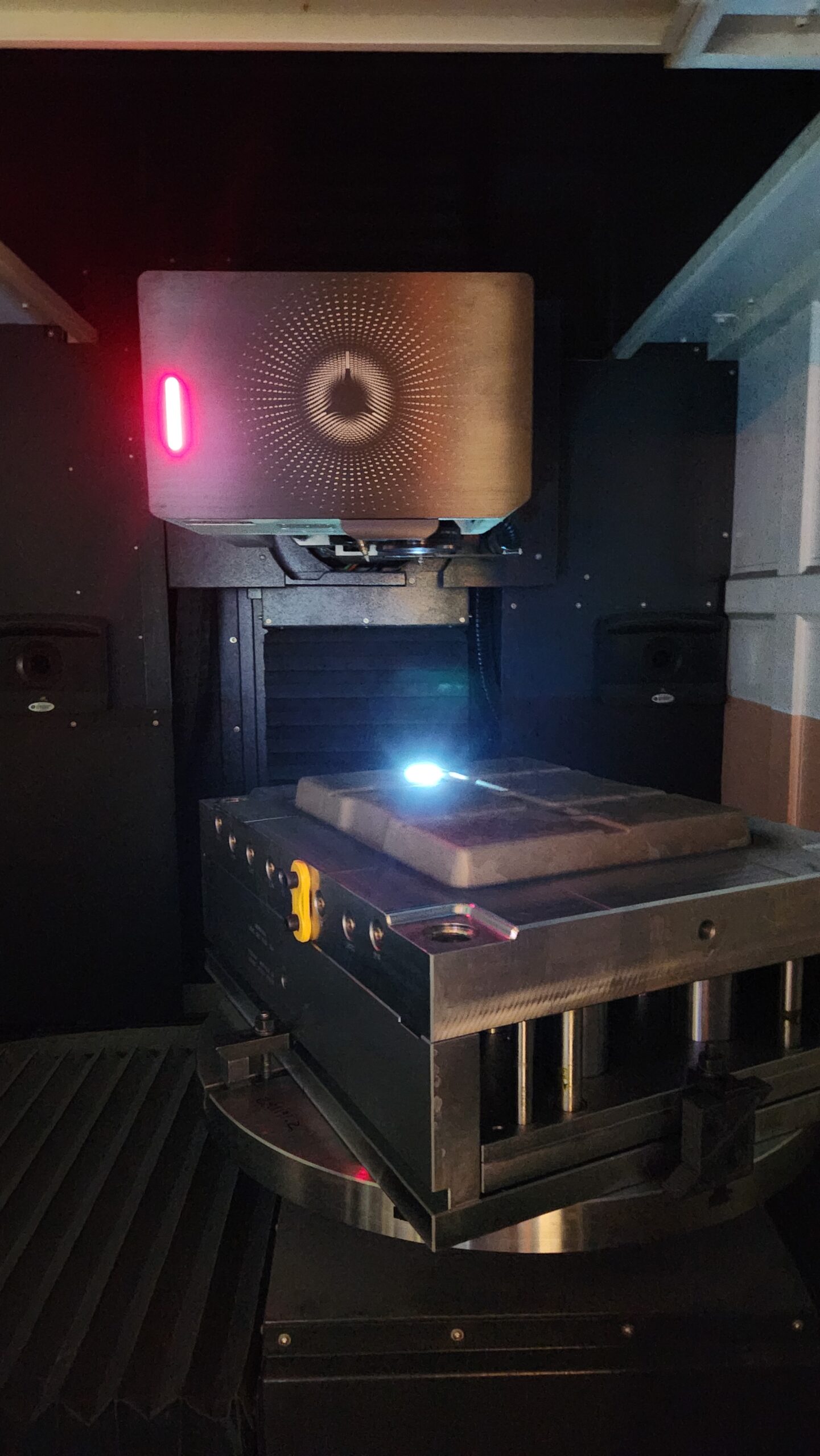
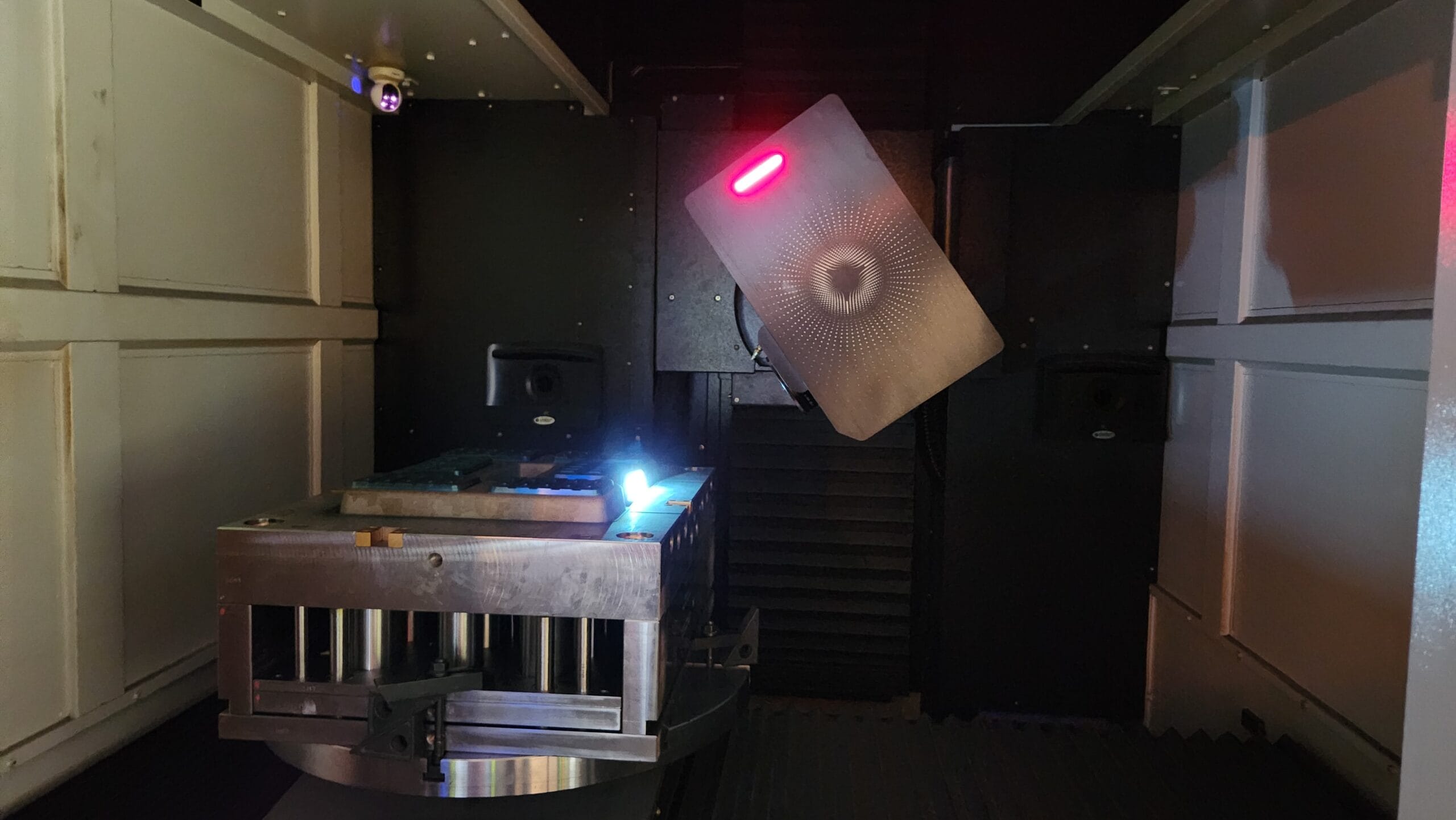
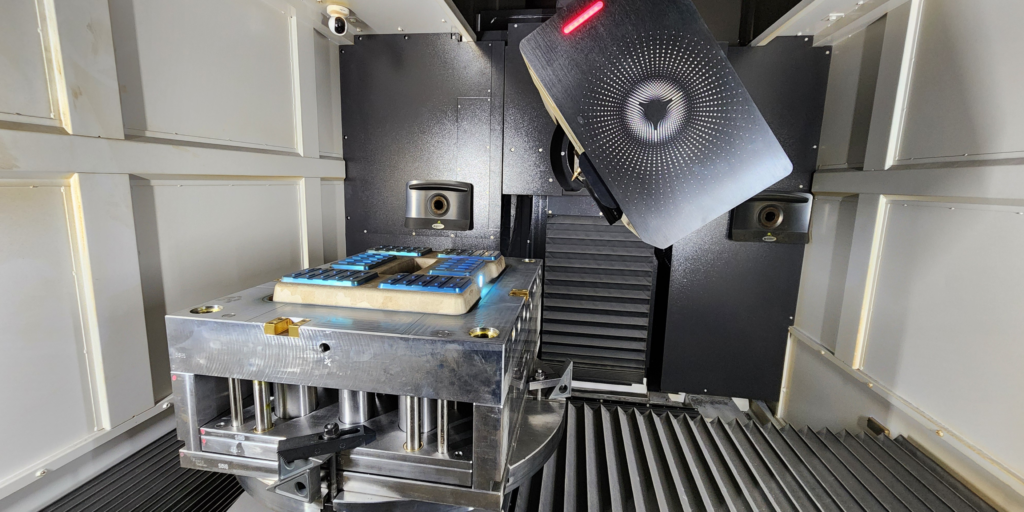
Surface textures can affect grip, appearance, product perception, release characteristics, and overall performance. Engraved features can support branding, traceability, and functionality. Micromachined details can introduce precision features that would be difficult to achieve through traditional methods alone.
The earlier these possibilities are evaluated, the more flexibility engineering teams have when making design decisions.
Rather than revisiting completed designs later, teams can make informed choices with a broader understanding of what modern manufacturing technologies can achieve.
Technology Continues to Expand Design Possibilities
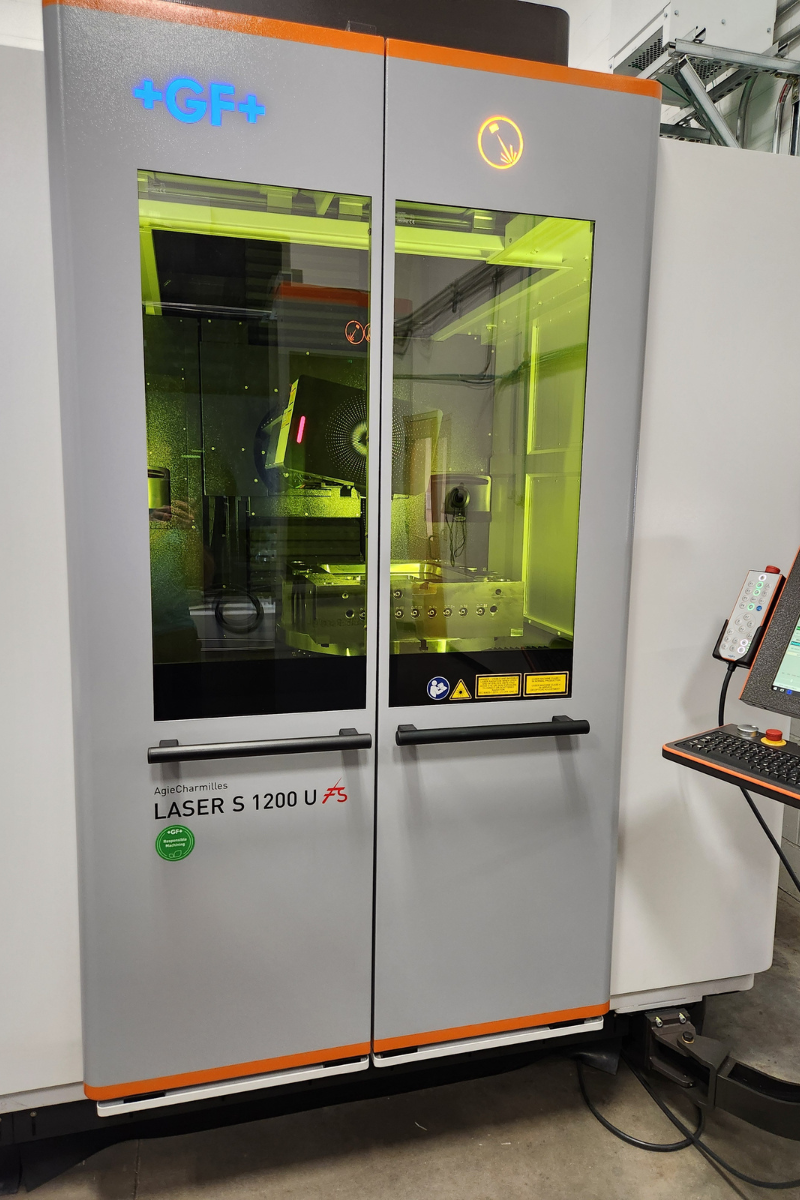
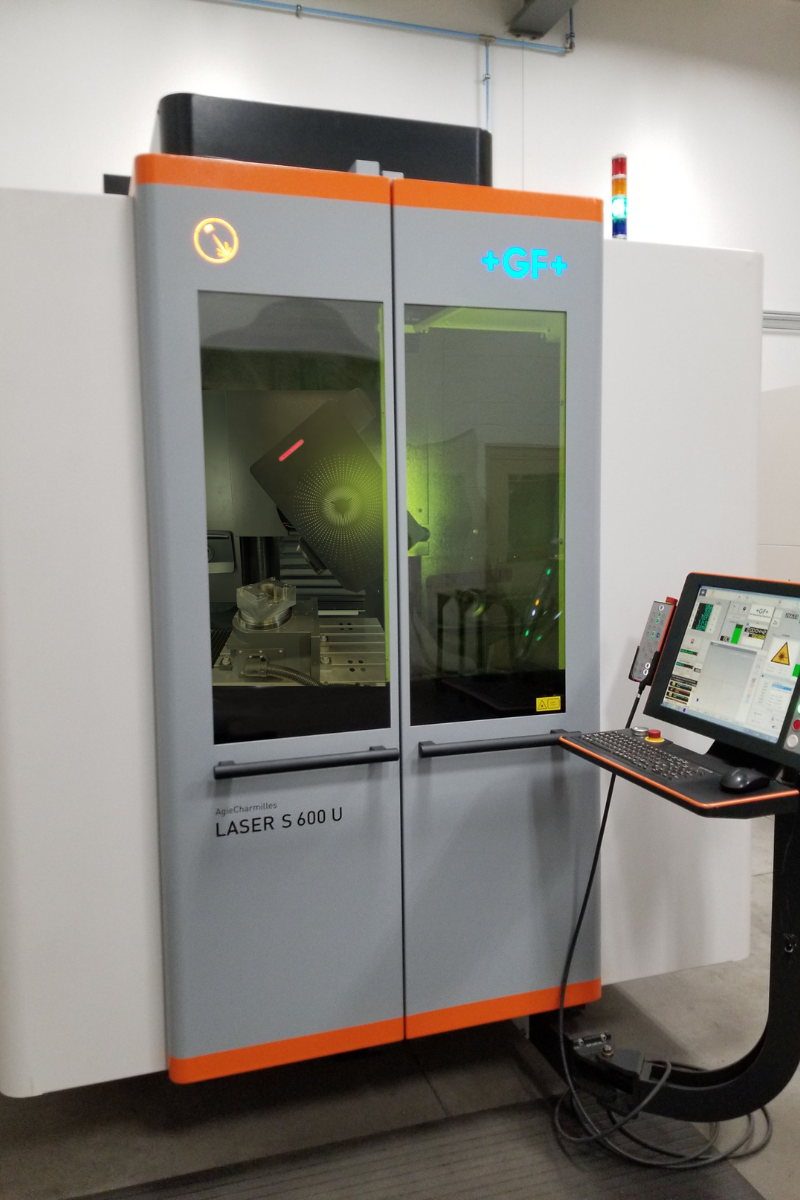
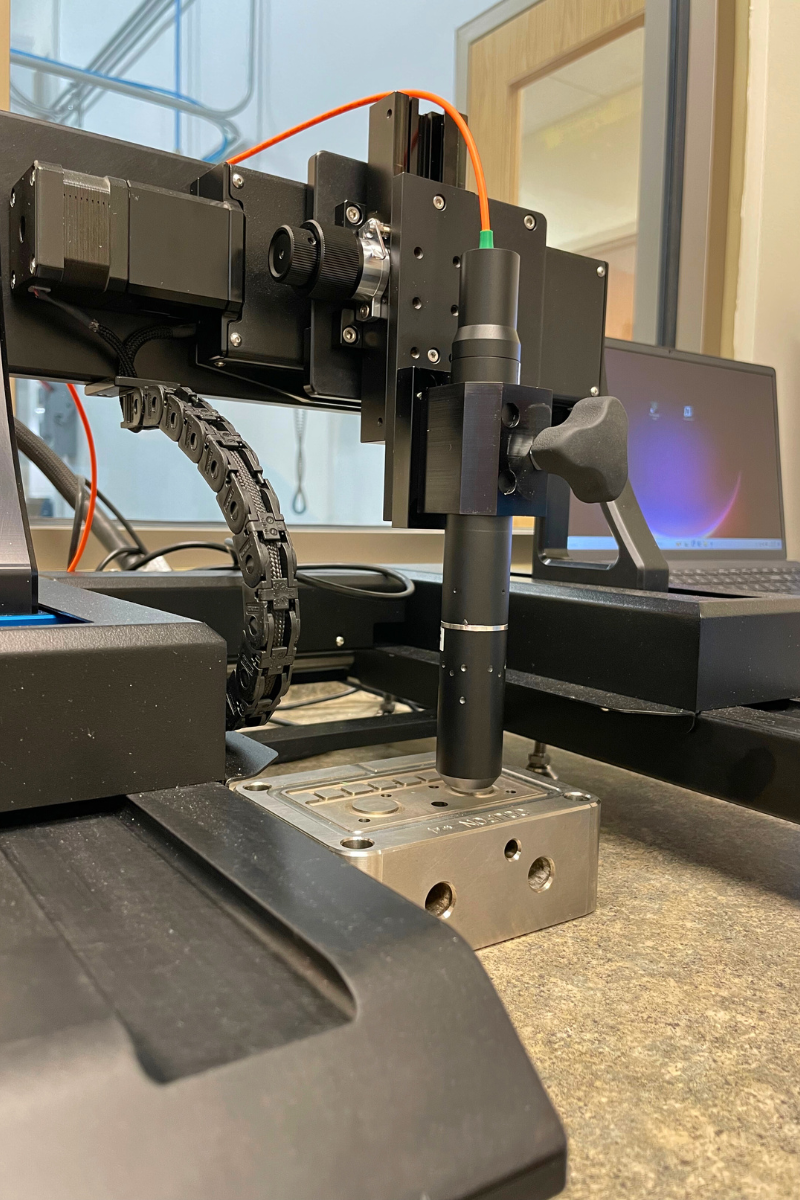
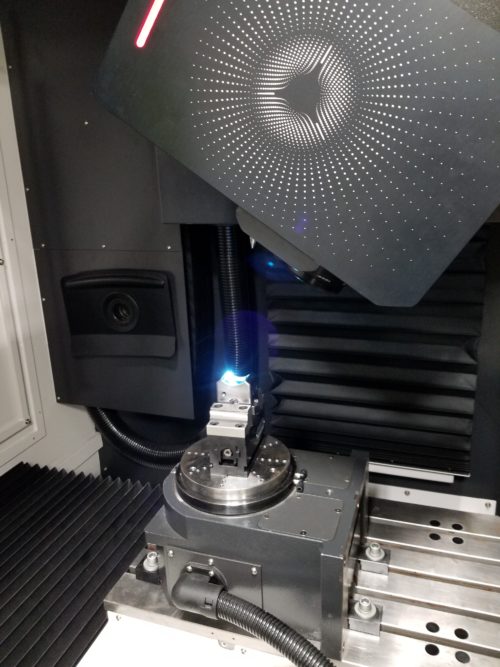
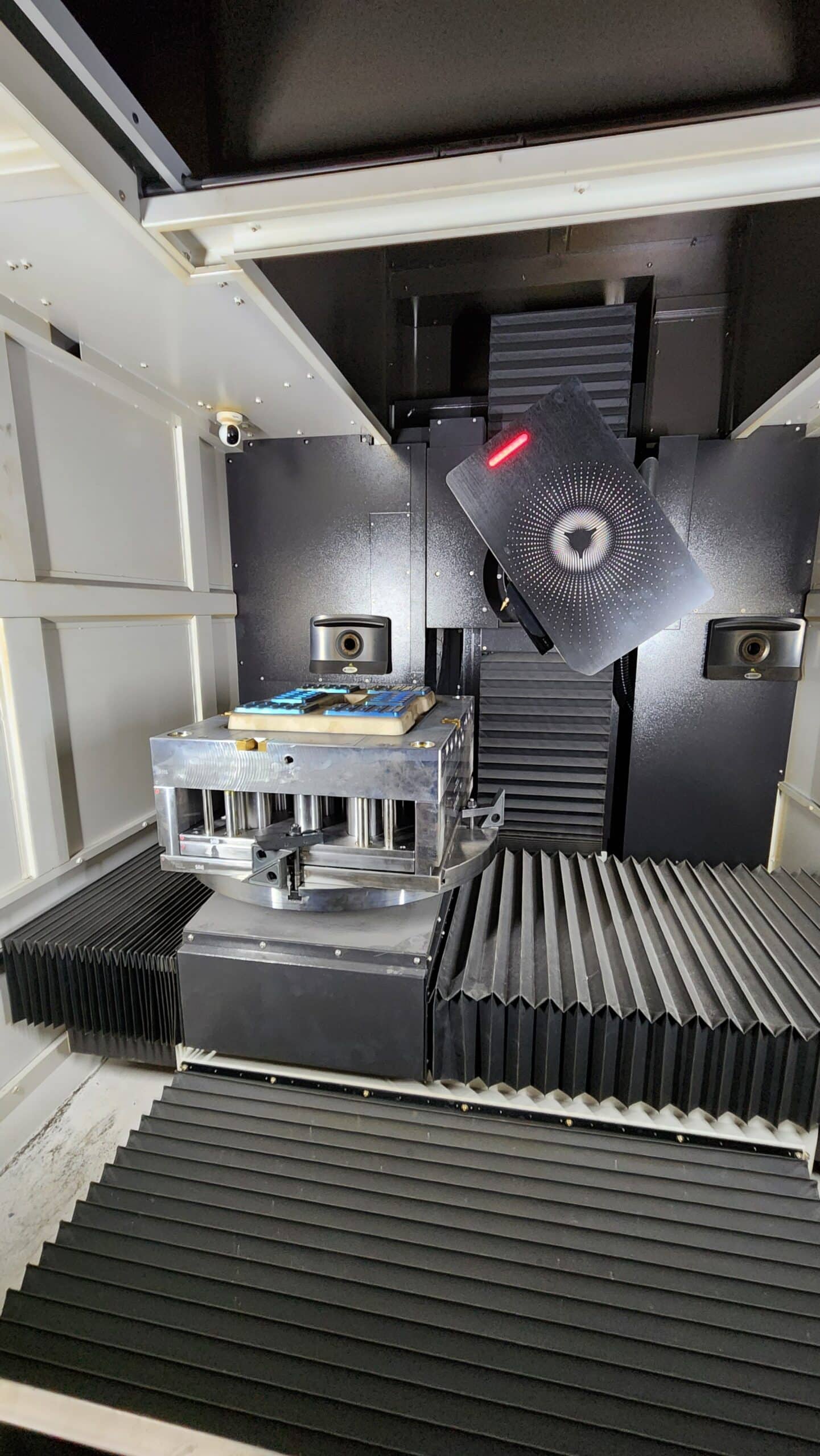
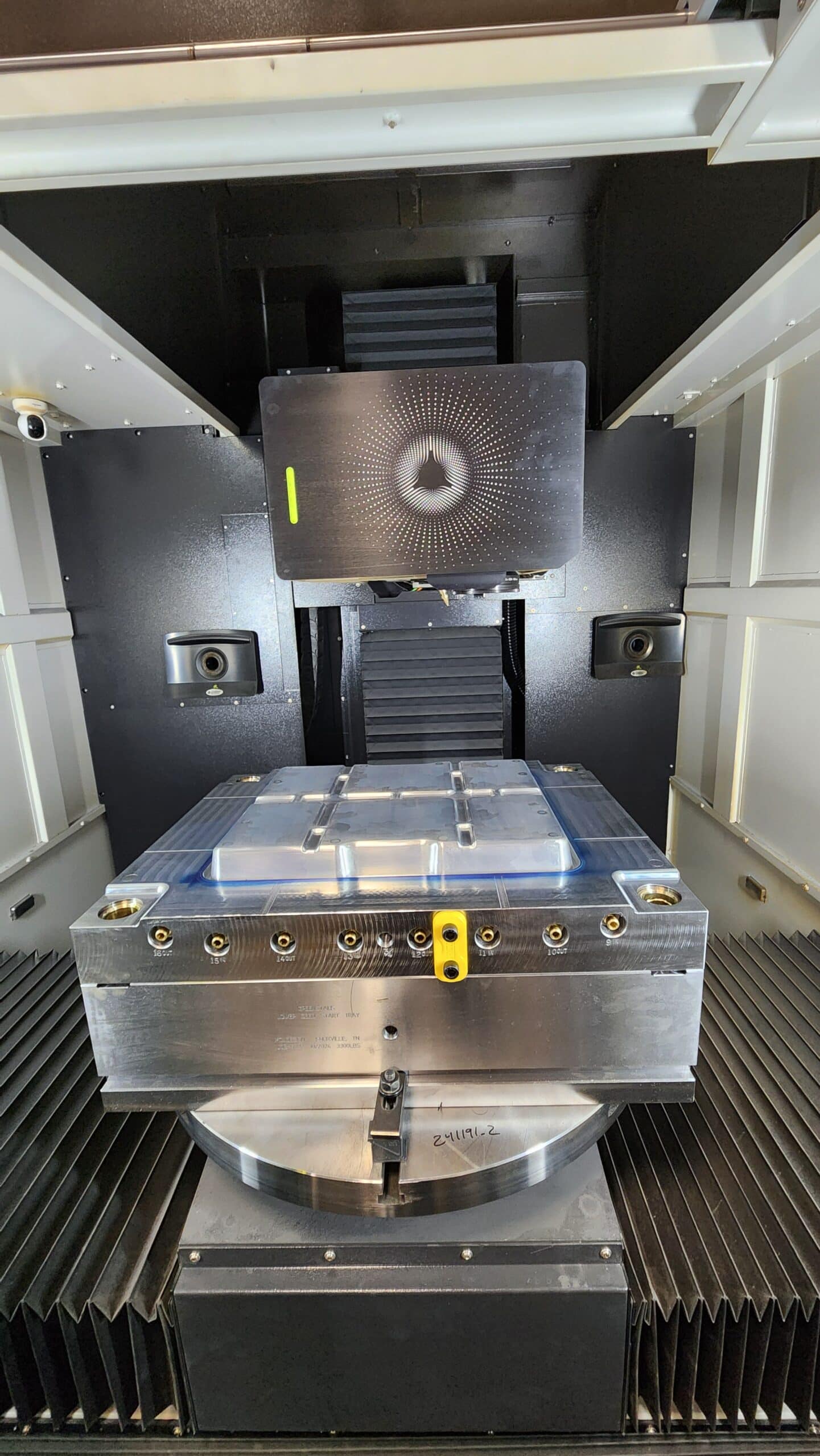
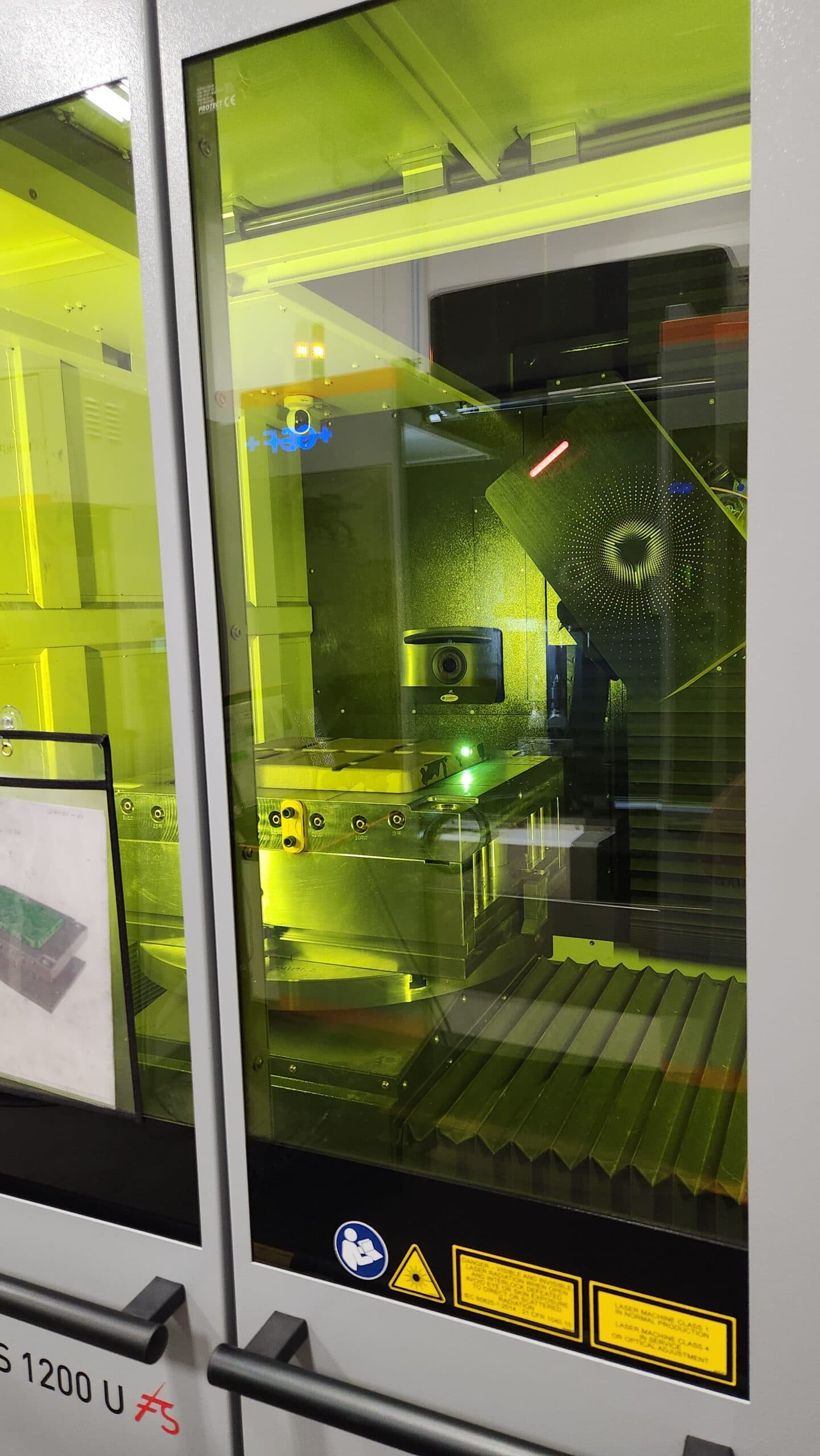
Advancements in laser texturing, precision engraving, micromachining, automation, and tooling technologies continue to create new opportunities for product designers and engineers.
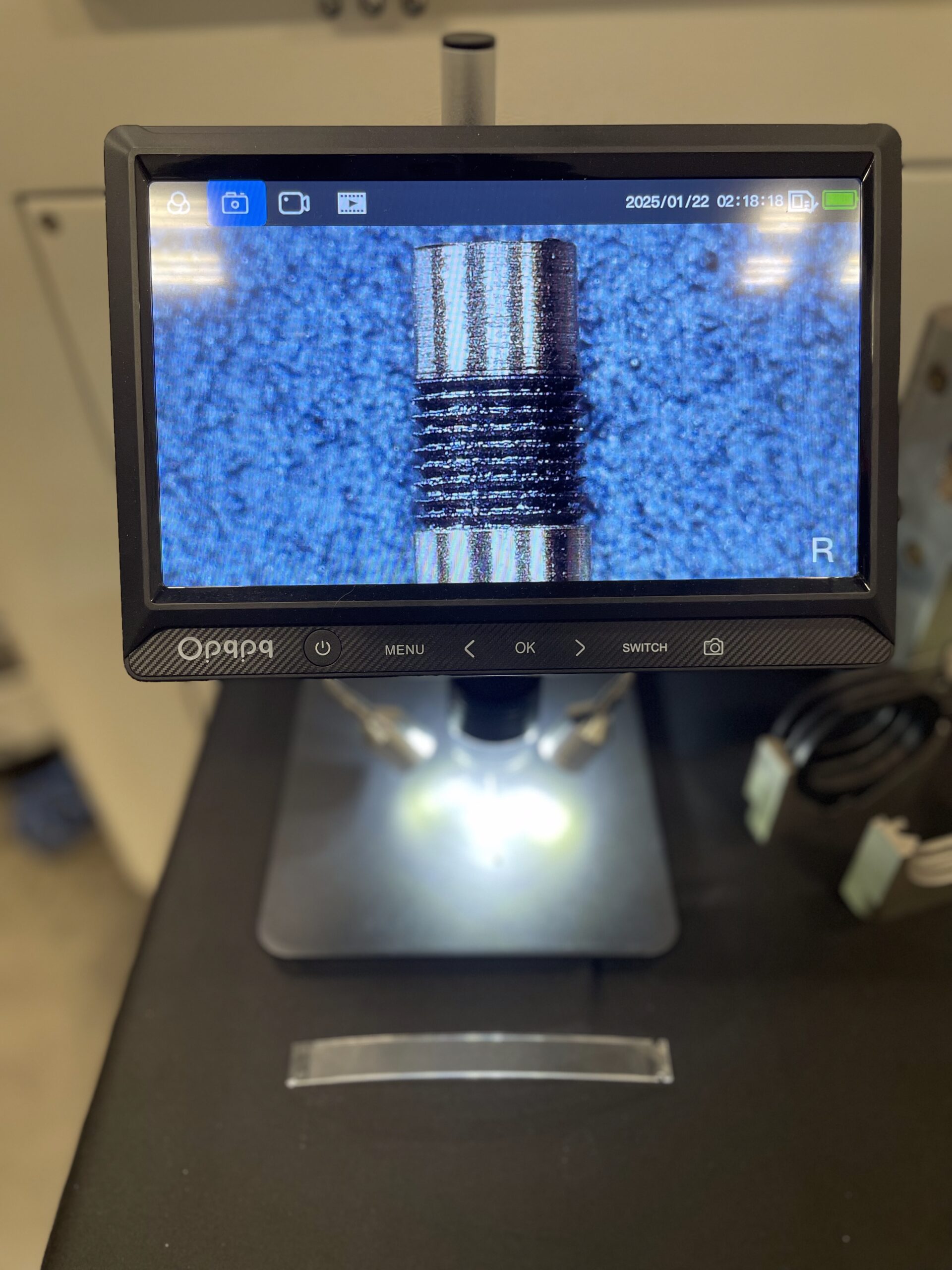
Features that may have once required design compromises can now be incorporated directly into tooling. Surface characteristics can be engineered to support both functional and aesthetic goals. Complex geometries and intricate details can often be produced with greater precision and consistency than ever before.
As these technologies evolve, the range of available design possibilities continues to expand.
The challenge is not simply understanding product requirements.
It is understanding what is now possible.
Why Early Collaboration Matters
The most valuable engineering discussions often happen before tooling is finalized.
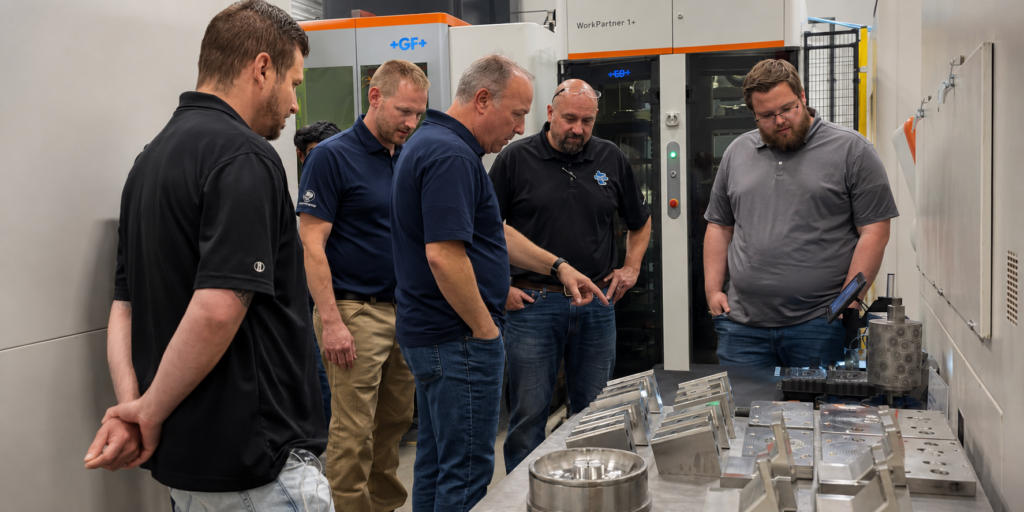
When specialists in surface engineering, laser texturing, engraving, micromachining, and tooling technologies are included early in development conversations, engineering teams gain access to additional perspectives that can help evaluate alternative approaches, uncover new opportunities, and support project goals.
In many cases, the result is not a different product.
It is a better-informed development process.
Early collaboration allows teams to explore options, compare methods, and evaluate how different technologies may influence functionality, aesthetics, manufacturability, and long-term production efficiency.
Designing for Performance, Appearance, and Efficiency
Successful products rarely achieve their objectives through a single design decision.
Performance, user experience, appearance, manufacturability, and production efficiency are often influenced by dozens of interconnected choices made throughout development.
Surface engineering is one example.
A texture may improve grip and user interaction. It may enhance visual appeal. It may support material release during molding. In some applications, it may contribute to product durability and overall performance.
When these considerations are evaluated early, engineering teams have greater flexibility to align design intent with manufacturing realities.
Better Products Begin with Better Conversations
The goal of early collaboration is not to change a design.
The goal is to ensure engineering teams have access to the widest possible range of solutions before critical decisions are finalized.
As manufacturing technologies continue to evolve, so do the opportunities available to product developers, tooling engineers, and manufacturers.
By bringing specialists into the conversation early, organizations can evaluate more possibilities, make more informed decisions, and unlock opportunities that may otherwise remain unexplored.
Sometimes the greatest advantage is not changing the design.
It’s knowing what is possible before the design is finalized.